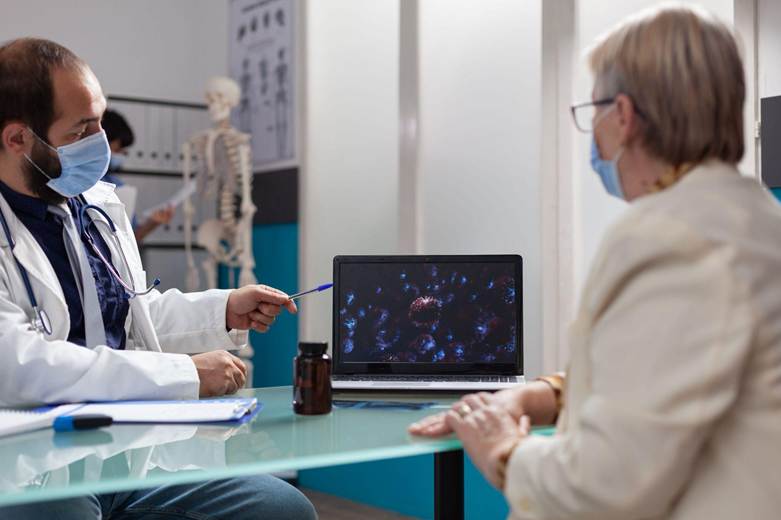
The field of pain medicine has advanced significantly over the past several decades, and Basem Hamid, MD, of Houston, TX, highlights how interventional pain medicine continues to evolve through scientific research, technological innovation, and evidence-based clinical practice. Rather than focusing solely on symptom management, modern specialists seek to understand the underlying mechanisms contributing to pain while using individualized, patient-centered strategies that reflect ongoing advances in neuroscience and minimally invasive medicine.
Modern interventional pain medicine is built upon the principle that effective care requires more than addressing symptoms alone. Physicians increasingly seek to understand the underlying mechanisms contributing to pain while considering each patient’s medical history, functional goals, neurological findings, and overall health. This comprehensive perspective has helped shape a specialty that continues to evolve alongside advances in neuroscience, imaging, and minimally invasive techniques.
Understanding the Role of Interventional Pain Medicine
Interventional pain medicine focuses on diagnosing and managing complex pain conditions using specialized procedures alongside comprehensive clinical evaluation.
Rather than relying on a single treatment strategy, physicians often integrate multiple approaches based on the individual’s condition and overall clinical picture.
The specialty commonly draws upon knowledge from:
- Neurology
- Anesthesiology
- Physical medicine and rehabilitation
- Orthopedics
- Neuroscience
- Diagnostic imaging
This multidisciplinary foundation reflects the complexity of pain and the many biological systems involved in its perception.
Innovation Begins With Better Understanding
Many of the most important advances in pain medicine have resulted not simply from new technologies but from a growing understanding of how pain develops within the nervous system.
Research has expanded knowledge about:
- Neural signaling
- Inflammation
- Pain pathways
- Peripheral nerves
- Central nervous system processing
- Functional recovery
These discoveries continue shaping how physicians evaluate and approach complex pain conditions.
Innovation therefore begins with scientific understanding rather than technology alone.
The Importance of Evidence-Based Practice
Medical innovation is most valuable when supported by rigorous scientific research.
Before new techniques become widely adopted, they are typically evaluated through:
- Clinical trials
- Peer-reviewed research
- Long-term outcome studies
- Professional guidelines
- Expert review
This process helps ensure that advances contribute meaningfully to patient care while maintaining high standards of safety and effectiveness.
Evidence-based medicine remains the foundation upon which innovation is built.
Advances in Imaging and Procedural Precision
Technological improvements have significantly enhanced physicians’ ability to perform many interventional procedures with greater accuracy.
Modern imaging technologies assist clinicians by improving visualization of anatomical structures and supporting precise procedural planning.
These advances contribute to:
- Improved anatomical localization
- Greater procedural accuracy
- Enhanced clinical decision-making
- Better understanding of complex anatomy
Technology serves as an important tool that complements physician expertise throughout the evaluation and treatment process.
Personalization Is Becoming Increasingly Important
As medical knowledge continues expanding, individualized care has become a defining characteristic of modern pain medicine.
Patients with similar diagnoses may differ in:
- Medical history
- Neurological findings
- Functional limitations
- Previous treatments
- Lifestyle factors
- Overall health goals
Recognizing these differences allows physicians to tailor clinical decisions to the individual rather than relying solely on generalized treatment models.
Personalized medicine continues influencing every stage of clinical care.
Collaboration Strengthens Patient Care
Interventional pain medicine rarely exists in isolation.
Managing complex conditions often involves collaboration among multiple healthcare professionals, including neurologists, physical therapists, primary care physicians, surgeons, rehabilitation specialists, and other medical experts.
This collaborative model encourages:
- Comprehensive evaluation
- Coordinated treatment planning
- Shared clinical expertise
- Continuity of care
- Improved communication
Modern healthcare increasingly recognizes that complex conditions benefit from integrated approaches rather than isolated decision-making.
Lifelong Learning Drives Progress
Medicine evolves continuously, requiring physicians to remain engaged with emerging research and clinical developments throughout their careers.
Professional growth often includes:
- Continuing medical education
- Scientific conferences
- Peer collaboration
- Research review
- Guideline updates
- Advances in procedural techniques
This commitment to lifelong learning ensures that physicians remain informed as the field continues advancing.
Looking Toward the Future
The future of interventional pain medicine will likely involve even greater integration of technology, neuroscience, and personalized care.
Emerging developments include:
- Artificial intelligence-assisted clinical analysis
- Advanced imaging capabilities
- Biomarker research
- Precision medicine
- Data-driven outcome evaluation
- Improved minimally invasive technologies
Although these innovations hold significant promise, their greatest value will come from supporting thoughtful clinical decision-making rather than replacing it.
Innovation Must Be Balanced With Judgment
Every advancement in medicine introduces new opportunities, but meaningful progress depends on careful evaluation rather than rapid adoption.
Experienced physicians continually balance innovation with scientific evidence, patient safety, ethical practice, and individualized clinical assessment.
This measured approach helps ensure that technological advances translate into meaningful improvements in patient care rather than becoming innovations for their own sake.
Conclusion
Interventional pain medicine continues evolving through the combined influence of scientific discovery, technological innovation, and evidence-based clinical practice. The specialty has grown beyond simply managing symptoms to embrace a comprehensive understanding of neurological function, individualized care, and multidisciplinary collaboration. By balancing innovation with rigorous research and sound clinical judgment, modern interventional pain medicine continues advancing toward more precise, patient-centered approaches that reflect both the complexity of pain and the ongoing evolution of medical science.